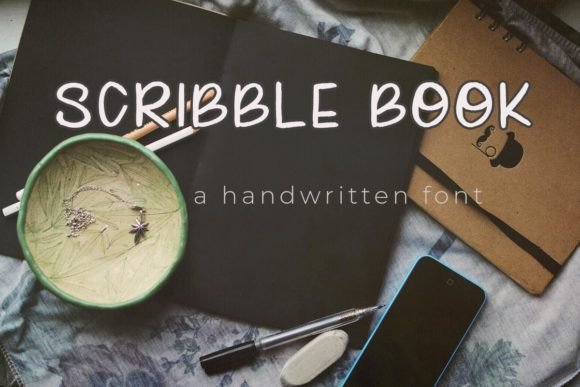
Scribble Book: A Handwritten Font That Brings Personality to Your Craft Projects
I was putting together a new line of candle labels for my seasonal collection when I stumbled upon Scribble Book. I needed something that felt personal, a little playful, and completely approachable. The moment I typed out “Lavender Fields” in Scribble Book, I knew it was the right choice. The soft curves, the natural flow between letters—it gave my candle labels a handmade charm that matched the product perfectly.
Scribble Book is a casual and friendly handwritten font that adds a warm, personal touch to any project. It’s not overly formal or stiff like some script fonts can be. Instead, it feels like a note from a friend—genuine, inviting, and full of life. Whether you're designing greeting cards, boutique tags, digital printables, or packaging for your handmade products, Scribble Book brings a sense of creativity and authenticity that's hard to replicate with standard fonts.
One of the first things I noticed when working with Scribble Book is how well it translates across different materials. I used it on a set of printable planner pages and found that the font remained crisp and legible, even when printed at smaller sizes. It’s especially effective for short phrases, titles, and decorative text, making it ideal for product labels, wedding invitations, and social media graphics. The font’s natural rhythm and organic spacing make it a great choice for display use, where visual appeal matters more than long blocks of text.
Bringing Brand Consistency to Your Handmade Business
As a maker, I know how important it is to maintain a cohesive brand identity. Scribble Book has become a go-to font in my shop because of how it ties together different elements—from product tags to digital listing images. Using the same font across packaging, labels, and social media posts helps customers recognize my brand instantly. It also gives my products a polished, professional look while keeping that handmade warmth intact.
When I designed a new set of holiday tags for gift wrapping, I used Scribble Book for the names and short phrases. The font’s slightly bouncy baseline gave the tags a cheerful, festive feel. And when I printed them on kraft paper, the contrast between the earthy texture and the flowing script was just right—elegant, yet approachable.
Perfect for Seasonal Crafts and Digital Downloads
During the holidays, I love creating themed printables, and Scribble Book has become a staple in those designs. From printable wall art that says “Cozy Vibes Only” to digital greeting cards for Valentine’s Day, this font adds a personal touch that resonates with customers. It works beautifully for farmhouse signs, wedding welcome boards, and even boutique-style hang tags for clothing or accessories.
I also use Scribble Book in digital templates for Canva and Adobe Express. When previewing how text will look on a finished product, it’s important that the font reads well at different sizes and backgrounds. Scribble Book holds up beautifully, especially when used as a title or accent font in layered design assets.
Pairing Scribble Book with Other Fonts
Like most script and handwritten fonts, Scribble Book shines brightest when paired with a clean supporting font. For example, when I designed a set of planner stickers, I used Scribble Book for the decorative headers and a simple sans serif for the checklists and dates. This contrast helped guide the eye and made the content easier to read.
You can also pair Scribble Book with a bold display font for high-impact designs, like tote bags or mugs. I recently made a “Hello Sunshine” mug design where the word “Hello” was in Scribble Book and “Sunshine” in a bold serif font. The combination gave the design both personality and structure.
What to Know Before Using Scribble Book Commercially
If you're selling physical products, digital printables, or SVG-style designs, always check the font’s licensing terms. Most premium fonts like Scribble Book include commercial use rights, but it’s good practice to confirm what’s allowed—especially if you’re bundling the font with your own design files.
Scribble Book typically comes with a range of styles, including ligatures, swashes, and alternate characters. These extras can add flair to your designs and help avoid repetition when creating multiple items like name tags or invitation suites. Also, make sure the font supports the languages you’ll be using, especially if you sell to an international audience.
Design Tips for Using Scribble Book on Physical Products
When using Scribble Book for cutting machines like Cricut or Silhouette, keep an eye on the spacing and size. The font’s natural flow works best when letters are allowed to connect, so avoid scaling it down too much for small stickers or tags. If you're printing on fabric for tote bags or shirts, test the font at different sizes to ensure it remains legible after printing.
For product labels, I recommend pairing Scribble Book with a clean border or background to make the text stand out. I printed a set of honey jar labels using a white sticker background with Scribble Book in a soft black font, and the contrast made the text pop without being too harsh.
Final Thoughts on Scribble Book
Scribble Book is more than just a font—it’s a creative tool that brings warmth and personality to your handmade business. Whether you're designing digital downloads, seasonal crafts, or product packaging, its friendly, approachable style makes it a versatile addition to your design toolkit. Once you start using it, you’ll find yourself reaching for it again and again, knowing it will give your creations that special handwritten touch customers love.